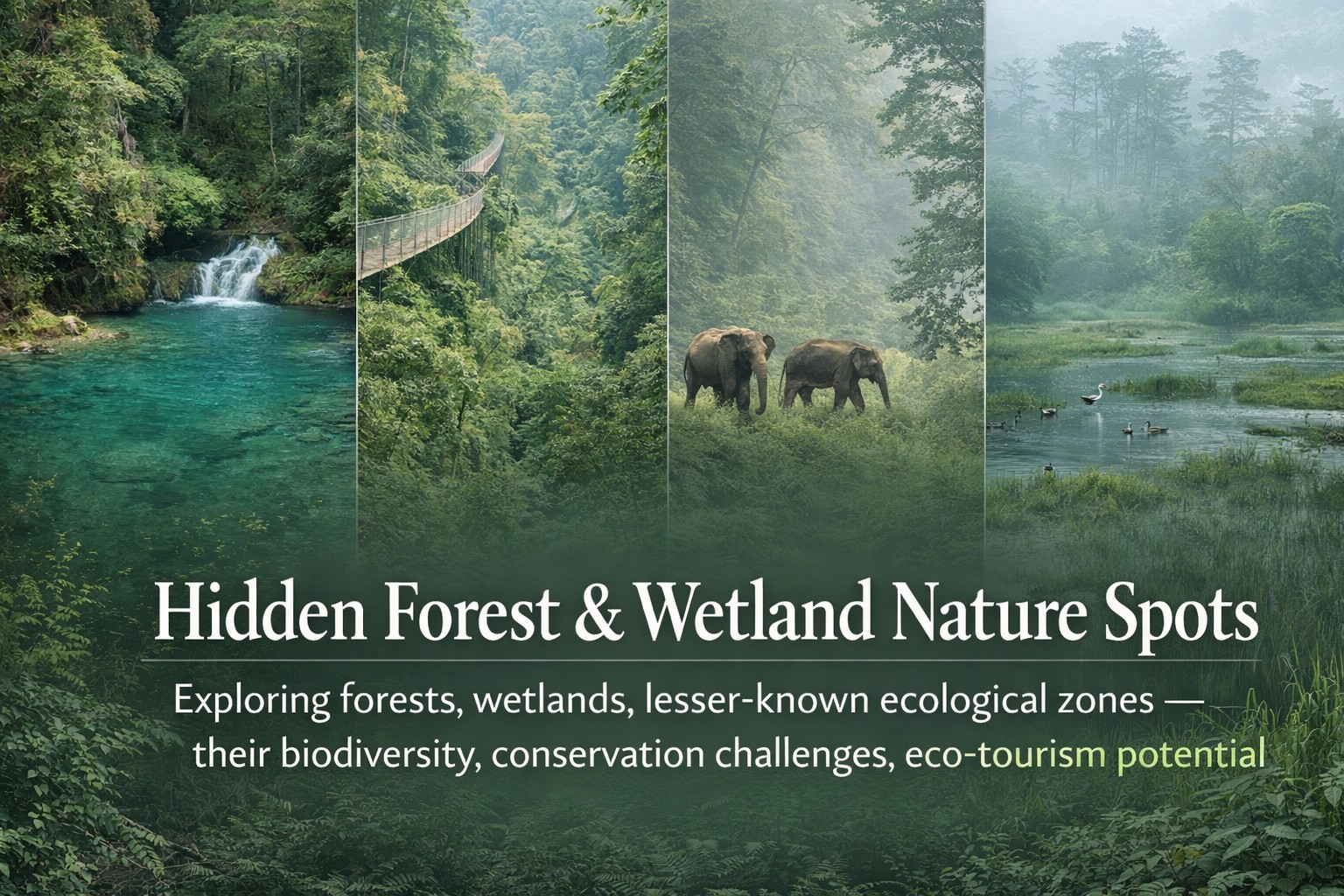
Hidden forest & wetland nature spots: exploring forests, wetlands, lesser-known ecological zones — their biodiversity, conservation challenges, eco-tourism potential. Eg. forests like Ngare Ndare, or other little-known forest reserves.
Kenya is famous worldwide for its big-game safaris, but the country’s hidden forests, wetlands, and ecological zonesoffer a completely different side of nature. These areas are less-visited by tourists, yet they are rich in biodiversity, home to unique birds, primates, reptiles, amphibians, and plants, and provide a vital ecological balance to the country.
Exploring these hidden spots not only allows travelers to experience nature off the beaten path, but also supports conservation efforts and local communities that rely on these ecosystems. This blog explores hidden forest and wetland areas in Kenya, highlighting biodiversity, conservation, and tips for responsible eco-tourism.
Why Hidden Forests and Wetlands Matter
1. Biodiversity Hotspots: They harbor species rarely seen in national parks or safari circuits.
2. Ecological Services: Forests and wetlands provide water filtration, flood control, and carbon sequestration.
3. Cultural Significance: Many communities have ancestral ties to forests and wetlands, using them for rituals or traditional medicine.
4. Tourism Potential: Eco-tourism in these areas provides income for local communities, while promoting environmental awareness.
Notable Hidden Forests in Kenya
1. Ngare Ndare Forest, Laikipia
• Location: Northern slopes of Mount Kenya.
• Features: Waterfalls, caves, and walking trails.
• Wildlife: Colobus monkeys, baboons, birds like hornbills and sunbirds.
• Activities: Guided forest walks, waterfall hikes, and canopy rope walks.
• Conservation: Community-led initiatives protect trees and wildlife.
2. Kakamega Forest, Western Kenya
• Kenya’s last tropical rainforest.
• Wildlife: Monkeys (colobus, red-tailed), rare birds (Turaco, hornbill), butterflies, and insects.
• Plants: Medicinal plants, ancient trees, and ferns.
• Activities: Bird-watching tours, guided hikes, butterfly spotting, and educational walks.
• Community Role: Eco-tourism programs support forest guardianship and local schools.
3. Arabuko-Sokoke Forest, Coast
• One of Africa’s largest coastal forests.
• Wildlife: Endangered birds like Clarke’s weaver, golden-rumped elephant shrew, and monkeys.
• Activities: Walking trails, bird-watching, photography, and cultural encounters with local forest communities.
Hidden Wetlands and Marshes
1. Yala Swamp, Western Kenya
• Largest freshwater swamp in western Kenya.
• Biodiversity: Hippos, crocodiles, waterbirds (herons, kingfishers, storks).
• Activities: Canoe rides, bird-watching, and photography.
• Conservation: Community-led initiatives monitor water quality and wetland health.
2. Tana River Delta, Coast
• UNESCO-recognized wetland.
• Wildlife: Migratory birds, hippos, rare reptiles, and endemic fish species.
• Activities: Guided wetland tours, canoeing, cultural visits to local villages.
• Threats: Agricultural expansion, climate change, and water pollution.
3. Lake Naivasha Wetlands
• Known for papyrus swamps, hippos, and birdlife.
• Activities: Boat rides, nature walks, photography, and local farm visits.
• Importance: Provides water to local communities and supports agriculture.
Biodiversity in Hidden Forests and Wetlands
1. Birdlife: Many endemic and migratory birds thrive here, making these areas bird-watching hotspots.
2. Small Mammals: Colobus monkeys, bush babies, shrews, and duikers live in these forests.
3. Reptiles and Amphibians: Frogs, snakes, chameleons, and tortoises inhabit forest floors and wetland fringes.
4. Insects: Butterflies, dragonflies, and endemic insects support pollination and ecological balance.
5. Plants: Medicinal plants, ancient trees, papyrus, ferns, and flowering shrubs provide food and shelter for wildlife.
Conservation Challenges
1. Deforestation: Logging and agricultural expansion threaten forest habitats.
2. Wetland Drainage: Wetlands are drained for farming, reducing biodiversity.
3. Climate Change: Altered rainfall patterns affect water levels and forest health.
4. Human-Wildlife Conflict: Encroachment sometimes leads to conflicts with local communities.
Solutions:
• Community-based conservation initiatives.
• Eco-tourism programs that provide income while protecting nature.
• Education campaigns for locals and tourists.
Responsible Eco-Tourism Tips
1. Hire Local Guides: They provide insight into ecology, culture, and wildlife behavior.
2. Stay in Community Lodges: Supports local economy and ensures eco-friendly practices.
3. Avoid Disturbing Wildlife: Observe quietly and maintain distance.
4. Leave No Trace: Avoid littering, stay on designated trails, and minimize environmental impact.
5. Engage in Conservation Activities: Some lodges and tours offer tree planting, wetland restoration, or citizen science programs.
How to Explore Hidden Forests
• Guided Hikes: Learn about plants, animals, and cultural stories.
• Bird-Watching Tours: Bring binoculars to spot endemic and migratory species.
• Photography Expeditions: Capture rare wildlife and lush landscapes.
• Educational Programs: Join eco-tours that teach about biodiversity and conservation.
How Wetlands Shape Local Communities
• Provide water for domestic use, irrigation, and livestock.
• Supply fish and reeds for craft-making.
• Support cultural practices and traditional livelihoods.
• Eco-tourism opportunities generate additional income for conservation.
Hidden Nature Spots Worth Visiting
Name Region Highlights Activities
Ngare Ndare Forest Laikipia Waterfalls, monkeys Hiking, canopy walk
Kakamega Forest Western Kenya Tropical rainforest, rare birds Bird-watching, guided tours
Arabuko-Sokoke Forest Coast Endangered birds, primates Walking trails, cultural encounters
Yala Swamp Western Kenya Wetlands, waterbirds Canoe rides, photography
Tana River Delta Coast Migratory birds, hippos Guided tours, village visits
Lake Naivasha Wetlands Rift Valley Hippos, papyrus swamps Boat rides, nature walks
Why Travelers Should Explore Beyond Safaris
1. Unique Wildlife Encounters: See species rarely found in mainstream national parks.
2. Immersive Nature Experience: Enjoy tranquil, uncrowded environments.
3. Support Conservation: Tourism provides funds for community-based environmental projects.
4. Cultural Connection: Many forest and wetland areas are integrated with local traditions.
5. Photography & Research: Ideal for birders, nature photographers, and eco-research enthusiasts.
Discover Kenya’s Hidden Nature
Kenya is much more than lions, elephants, and safaris. Its hidden forests and wetlands reveal a quieter, yet richer ecological world, where rare birds, primates, reptiles, and insects thrive.
• Exploring these areas supports biodiversity conservation, local communities, and sustainable tourism.
• Responsible travelers can experience nature intimately, learning about ecosystems, local culture, and traditional ecological knowledge.
• From Ngare Ndare Forest to Yala Swamp, Kenya’s hidden gems offer tranquil escapes, educational experiences, and unforgettable memories for those willing to go off the beaten path.
For travelers who love nature, wildlife, and quiet adventure, exploring Kenya’s hidden forests and wetlands is an essential part of understanding the country’s ecological and cultural richness.
Subscribe to our newsletter
Stay up-to date with the hot affairs by subscribing to our newsletter.