Kenya’s Seasonal Rituals & Festival Calendars — How Traditional Ceremonies Shift with the Year
Kenya’s Seasonal Rituals & Festival Calendars — How Traditional Ceremonies Shift with the Year
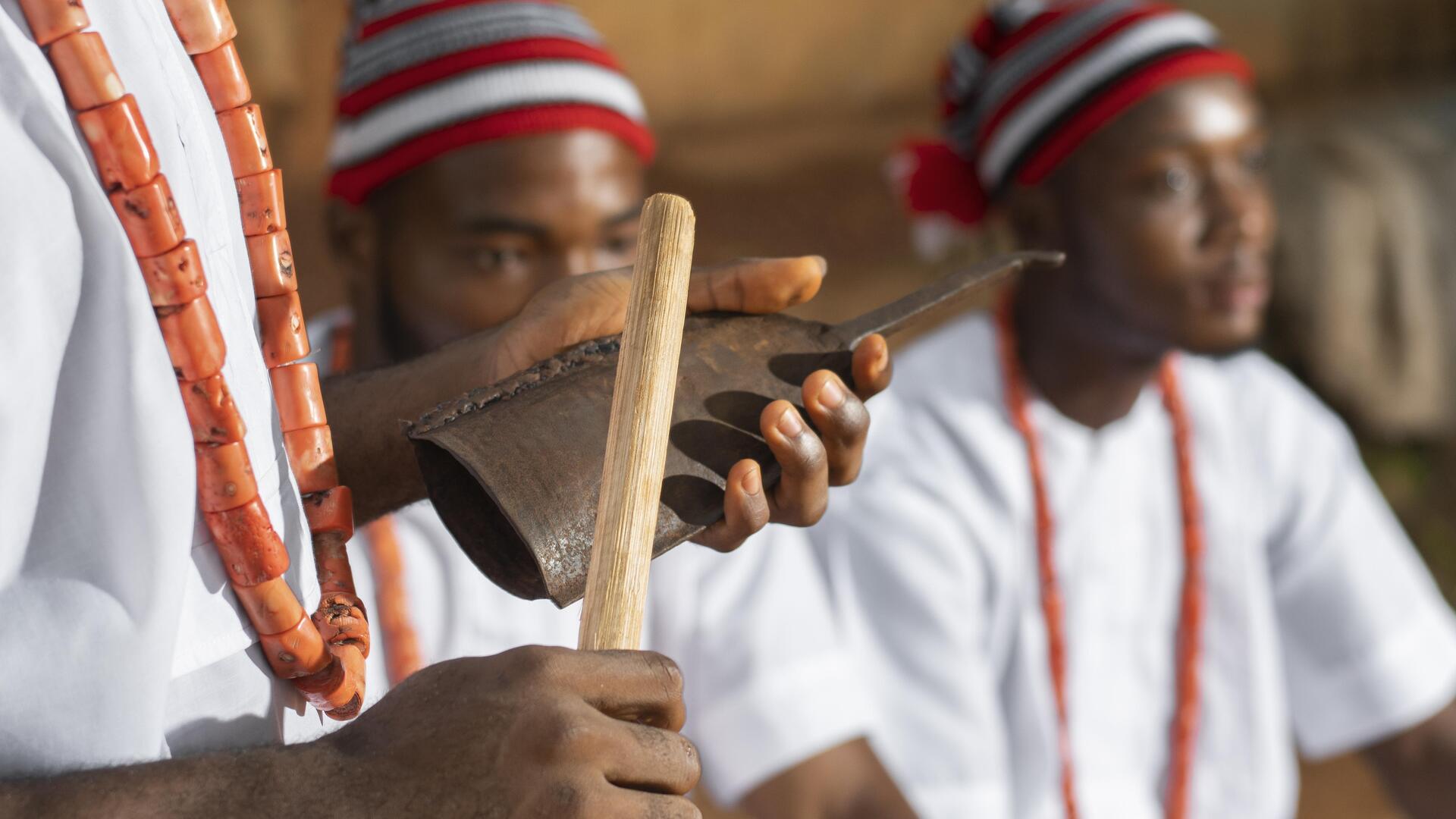
Kenya is a land of seasons, not just rain and dry, but of many rhythms: planting, harvest, migrations, culture, ceremonies. For centuries, communities have marked time not only by calendars but by what the land and skies are doing: when rains begin, when rivers swell, when harvest is ready, when animals move, when stars align. Alongside this natural time‑keeping are festivals, rituals, ceremonies — some ancient, some more recent — that happen at certain times of year. They celebrate, heal, connect, pray, remember.
In this post, we'll explore how traditional ceremonies and festivals in Kenya follow the year’s cycles. We’ll look at what triggers them (rain, harvest, moon, migration), how they shift if seasons change, what communities do, and why these rituals still matter.
The Rhythm of Seasons in Kenya
- Long rains usually happen roughly between March to May in many parts.
- Short rains often around October to December in some areas.
- Between rainy seasons are dry spells. Some areas also have a cold “dry season,” like in highlands when nights get chilly.
- There are also ecological and animal rhythms: migrations of wildebeest, breeding seasons, fish migrations, flowering seasons.
Communities have noticed these patterns for generations. Rituals and festivals are often tied to these signs: when rains begin, when harvest is ready, when animals need protection, when ancestors are honoured, etc.
Flexible Rituals & Shifts with the Year
- Rituals shift with rain patterns: If long rains are late, planting rituals may be delayed. If early, ceremonies come sooner.
- Animal/plant cues: Flowering trees, migratory birds, frogs, and animals act as natural “calendars.”
- Moon phases or lunar calendar: Some festivals follow the moon, including Islamic celebrations like Ramadan or Eid.
- Cultural events tied to labor cycle: Festivals often follow harvests when people are freer to gather.
- Migration and pastoral movement: Nomadic groups may delay festivals until animals return or water is available.
- Modern influences: Some dates are now fixed for tourism or weather convenience, shifting slightly from traditional times.
Festival Calendar: What Happens When in Kenya
- January‑March: Beginning of long rains, planting time. Planting rituals, rural cultural shows, early tourism festivals.
- April‑May: Peak rains. Religious events, community land blessings, and some cultural festivals.
- June‑July: Post‑rain season. Cultural festivals in Turkana, rites of passage, weddings, livestock ceremonies.
- August‑September: Dry season. Maralal Camel Derby, wildlife migration, arts and cultural festivals.
- October‑November: Start of short rains. Lamu Cultural Festival, Mombasa Carnival, harvest thanksgiving.
- December: Holiday season. Rusinga Cultural Festival, Maragoli Festival, Christmas events, community feasts.
Rituals That Mark Life Stages & Ancestral Relations
- Initiation rites: Mark transitions to adulthood, often after harvest or during dry seasons.
- Weddings and family celebrations: Timed when food and resources are available post-harvest.
- Ancestral veneration and remembrance: Rituals aligned with moon phases or seasonal moments of reflection.
- Rain‑making ceremonies: Performed during droughts or planting seasons to appeal for rain.
Stories from Communities: How Rituals Change When Seasons Change
- In northern Kenya, some weddings are delayed until rains come and travel is possible.
- Coastal festivals shift dates due to changing wind or monsoon patterns affecting boats.
- Harvest festivals now align more with crop readiness than fixed calendar dates.
- In drought-prone Turkana, ceremonies are postponed when survival takes priority.
Why These Rituals Still Matter
- Anchor identity & culture: Preserve language, stories, and songs.
- Sense of community & belonging: Bring people together to reconnect and celebrate.
- Time to rest & rejoice: Allow rest and celebration after periods of labor.
- Environmental wisdom & learning: Carry traditional knowledge on planting and weather patterns.
- Tourism & economy: Attract visitors and create income for locals.
- Moral/ethical reminders: Rituals of cleansing, thanksgiving, and forgiveness reinforce community values.
- Spiritual value: Connect people to ancestors, seasons, and spirituality.
Challenges Tradition Faces & How Ceremonies Are Changing
Challenges:
- Climate change: Unpredictable rain and drought disrupt seasonal rituals.
- Modern demands & work: Urban life and work schedules limit participation.
- Loss of land & environment: Degraded ecosystems reduce natural signs used for timing.
- Commercialization: Tourism influences can shift original purpose or authenticity of some ceremonies.