Small-scale agribusiness & specialty-crop farming for export and local markets
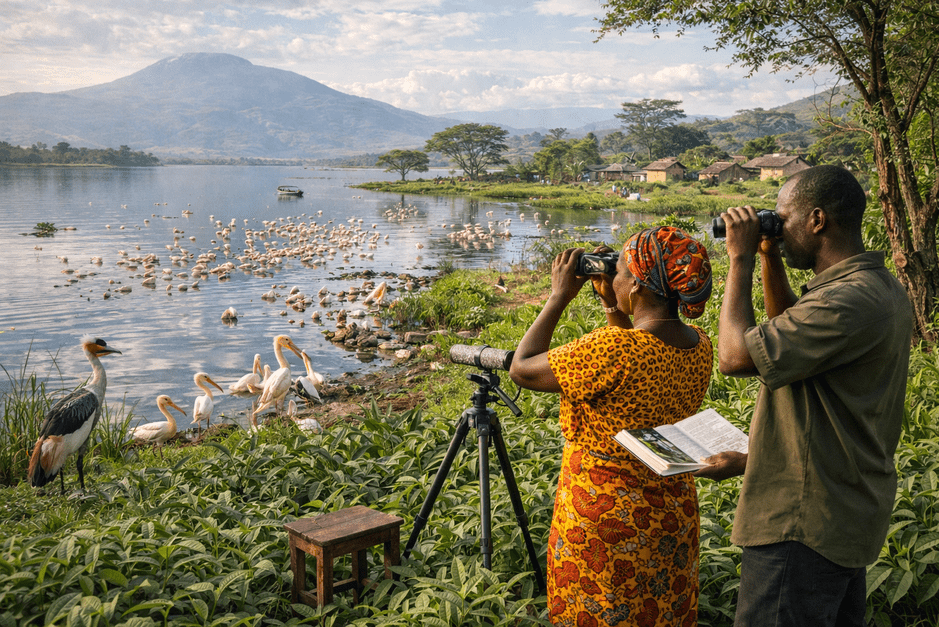
Kenya is often celebrated for its safari parks, big game reserves, and savannah landscapes, but there’s another side to this beautiful country—quiet lakes, wetlands, and rural lakeshore communities. These lesser-known spots are a haven for birdwatchers, nature enthusiasts, and travelers seeking peace away from crowded tourist routes. Visiting these areas also allows travelers to immerse in local village life, learn about fishing traditions, and experience the simple rhythms of rural Kenya.
This blog post takes you through hidden lakeside getaways, birding opportunities, and ways to connect with the communities that thrive along these waters.
Why Explore Lesser-Known Lakes in Kenya?
1. Tranquility: Unlike Lake Naivasha or Lake Victoria’s popular spots, quieter lakes offer peaceful surroundings and fewer tourists.
2. Biodiversity: These lakes host unique bird species, freshwater fish, and wetland flora.
3. Cultural Experiences: Lakeside villages offer insights into traditional fishing, farming, and local customs.
4. Eco-Tourism Potential: Many of these areas are perfect for sustainable tourism initiatives, supporting both wildlife and communities.
5. Photography and Nature Observation: The calm waters, reflections, and abundant wildlife make for amazing photography opportunities.
By exploring lesser-known lakes, travelers can experience Kenya differently—beyond safaris and city life.
Notable Lesser-Known Lakes in Kenya
1. Lake Baringo
• Located in the Rift Valley, Lake Baringo is a freshwater lake surrounded by cliffs and semi-arid landscapes.
• Birdlife: Home to over 470 bird species, including herons, pelicans, and cormorants.
• Local Villages: Communities rely on fishing, small-scale agriculture, and livestock.
• Activities: Canoeing, bird-watching, guided village tours, and sunset photography.
2. Lake Bogoria
• Famous for its flamingo populations and hot springs.
• Geothermal Features: Geysers and hot springs provide a unique ecosystem for wildlife.
• Local Life: Nearby villages engage in agriculture, livestock, and eco-tourism ventures.
• Highlights: Flamingo watching during migration, walking trails, and geothermal landscapes.
3. Lake Naivasha’s Quieter Shores
• While some areas are tourist-heavy, small communities and hidden coves provide peaceful retreats.
• Activities: Boat rides, birding, flower farms, and lakeside picnics.
• Villages: Locals are often fishermen or flower farm workers, offering a glimpse into everyday rural life.
4. Lake Simbi Nyaima
• A small volcanic crater lake in southern Kenya, near Homa Bay.
• Local Legend: Believed to have mystical origins, with stories passed through generations.
• Wildlife: Ideal for birdwatching, small mammals, and rare amphibians.
• Cultural Aspect: Villagers engage in subsistence farming and local crafts, offering an authentic experience.
5. Lake Elementeita (Quiet Areas)
• While Lake Elementeita is part of the Great Rift Valley lake system, some corners are less visited and tranquil.
• Wildlife: Hosts pelicans, flamingos, and other wetland birds.
• Activities: Walking, birding, and photography.
Birdwatching in Kenya’s Lesser-Known Lakes
Kenya’s lakes are birding hotspots, perfect for amateur and professional birdwatchers.
Types of Birds You May See
• Waterbirds: Pelicans, cormorants, ducks, and flamingos.
• Waders: Herons, storks, and ibises.
• Forest and Woodland Birds: Kingfishers, bee-eaters, and turacos.
• Endemic Species: Some lakes host species unique to the Rift Valley region.
Tips for Birdwatchers
1. Visit Early in the Morning: Birds are most active at dawn.
2. Bring Binoculars: Some species may be high in trees or on distant shores.
3. Hire a Local Guide: Guides can identify rare species and point out hidden habitats.
4. Stay in Lakeside Lodges or Homestays: Being close to the lake allows spontaneous sightings.
5. Respect Wildlife: Keep a distance and avoid disturbing nests or feeding birds.
Experiencing Local Life Around Lakes
The communities around lesser-known lakes offer cultural experiences that enrich your visit:
1. Fishing Traditions
• Villagers use traditional canoes, nets, and techniques passed down generations.
• Tourists can join local fishermen for a morning catch and learn the art of net casting and fish preservation.
2. Agriculture and Livelihoods
• Lakeside farming includes vegetables, maize, and small livestock.
• Seasonal cycles influence village life, festivals, and local markets.
3. Village Visits and Homestays
• Staying in homestays allows cultural exchange, learning local cooking, and observing daily routines.
• Visitors can participate in meal preparation, craft making, or farming activities.
4. Local Crafts and Markets
• Communities sell handmade baskets, beadwork, and carvings.
• Purchasing directly supports villagers and encourages sustainable tourism.
Activities Beyond Birdwatching
1. Boat Safaris: Quiet lakes offer canoe trips or small boat tours, perfect for photography and wildlife observation.
2. Hiking Trails: Surrounding hills and valleys provide easy to moderate trails with panoramic views.
3. Photography Tours: Early morning light on lakes, flamingos, and villages creates stunning visuals.
4. Community Workshops: Learn weaving, pottery, or traditional cooking techniques from locals.
5. Eco-Tourism Projects: Some lakes have rehabilitation or conservation programs you can visit.
Conservation and Sustainability
Visiting lesser-known lakes also supports conservation efforts:
• Wetland Preservation: Lakes and marshes are essential for birds, fish, and local water supply.
• Community Involvement: Eco-tourism generates income that funds education and sustainable farming.
• Wildlife Protection: Observing without interfering maintains ecological balance.
• Education: Travelers can learn about wetland ecosystems, threats, and preservation techniques.
By traveling responsibly, visitors contribute to both wildlife and human communities.
Tips for Travelers
1. Pack Light and Eco-Friendly: Use reusable water bottles, eco-bags, and minimal plastics.
2. Respect Village Customs: Ask before photographing people, and follow local etiquette.
3. Plan Off-Peak Visits: Visit during migration or breeding seasons for wildlife but avoid overcrowded holidays.
4. Hire Local Guides: They know hidden spots, birding areas, and cultural insights.
5. Support Local Economy: Buy crafts, eat in homestays, and participate in village activities responsibly.
Discover Kenya’s Hidden Lakes
Exploring Kenya’s quiet lakes and wetlands offers travelers:
• A peaceful escape from crowded tourist sites
• Opportunities for birdwatching and wildlife photography
• Immersion in lakeside village life and culture
• Support for sustainable, community-led tourism
Places like Lake Baringo, Lake Bogoria, Lake Simbi Nyaima, and quieter corners of Lake Naivasha showcase a different side of Kenya, where nature, culture, and community thrive together.
For travelers seeking tranquility, biodiversity, and authentic experiences, Kenya’s lesser-known lakeside getaways are the perfect destination.
Subscribe to our newsletter
Stay up-to date with the hot affairs by subscribing to our newsletter.