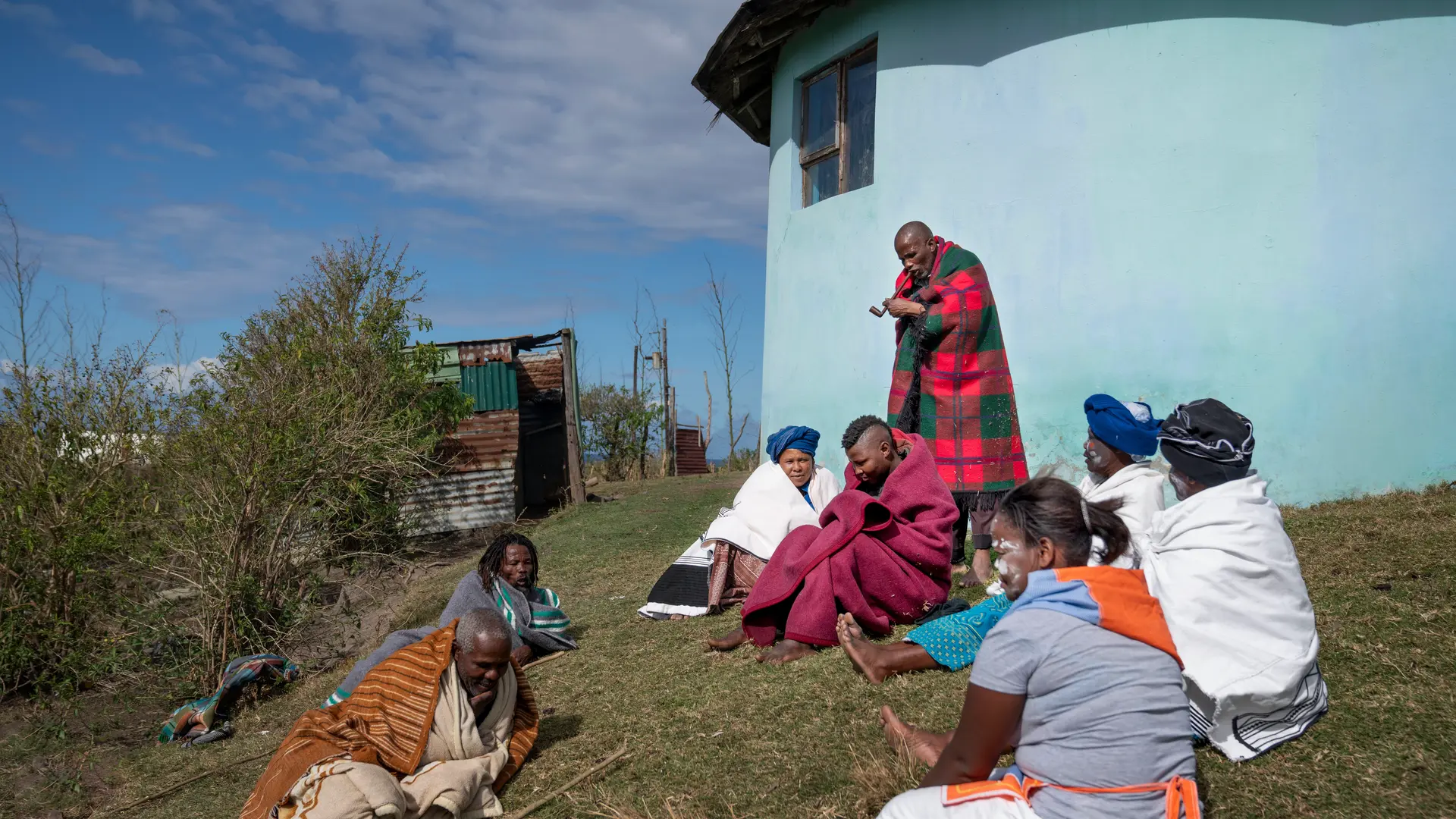
When people think of Kenyan culture, the images that often come to mind are safari lodges, Maasai warriors, or beach resorts. But Kenya’s real cultural richness lives in its villages and small towns, where traditions, daily life, and social customs have been passed down for generations. Here, life moves at a different pace—rooted in community, family, farming, and storytelling.
Exploring Kenya’s rural villages gives travelers a deep, authentic understanding of the country, beyond the tourist brochures. In this post, we explore village life, cultural practices, celebrations, crafts, and food—painting a picture of Kenya as it truly is for most of its people.
1. Daily Life in Kenyan Villages
Morning Routines
In rural Kenya, days often start early at dawn. Farmers rise to tend their fields, fetch water, and care for livestock. In regions like Central Kenya, smallholders plant maize, beans, and vegetables, while coastal villages might harvest coconuts or fish from the ocean.
Community Living
Villages operate as tight-knit communities, where neighbors share work, knowledge, and resources. Tasks like building homes, planting crops, or preparing communal meals often involve many people. This communal approach is integral to Kenyan social life, emphasizing cooperation and collective responsibility.
Children and Education
Children balance school with chores, helping parents in the fields or with household tasks. In some villages, local elders or teachers incorporate traditional knowledge and storytelling alongside formal education, preserving culture while preparing the younger generation for modern life.
2. Traditional Clothing and Modern Influence
The Blend of Old and New
Clothing often reflects social status, marital status, or age. During festivals, ceremonies, or market days, traditional attire is worn proudly, celebrating heritage and identity.
3. Social Customs and Community Life
Greetings and Respect
In rural Kenya, greetings are important. A handshake, nod, or hug can show respect and friendliness. Elders are treated with great respect, and it is customary to ask about family and well-being when meeting someone.
Communal Work (Harambee)
The concept of “Harambee”, meaning “pulling together”, remains central in many villages. Communities gather to build schools, repair roads, plant crops, or host weddings. This collective effort strengthens social bonds and ensures mutual support.
Ceremonies and Festivals
4. Farming, Food, and Daily Sustenance
Agriculture and Livelihood
Livestock such as cows, goats, chickens, and sheep provide milk, meat, and income.
Food Customs
Sharing meals strengthens family and community bonds.
5. Oral Traditions and Storytelling
In some communities, songs and dance accompany stories, enhancing cultural expression.
6. Music, Dance, and Artistic Expression
Villagers also create beadwork, pottery, crafts, and handmade tools tied to cultural identity.
7. Gender Roles and Community Participation
Modernization is shifting roles:
This balance reflects a blend of tradition and modernity.
8. Challenges Facing Village Culture
Despite challenges, communities adapt and preserve culture.
9. Tourism as a Cultural Bridge
Responsible tourism empowers communities and preserves heritage.
10. How Travelers Can Engage Respectfully
11. Village-Level Stories Worth Sharing
Example: A Day in a Central Kenya Village
Example: Coastal Village Life
These stories show the richness, resilience, and cultural pride of village life.
Kenya’s village-level culture is a treasure trove of tradition, community values, and human connection. From daily routines and farming practices to music, dance, crafts, and storytelling, villages reflect the authentic heart of Kenya.
By visiting rural communities, travelers can experience daily life, support sustainable tourism, and appreciate Kenya’s cultural diversity.
Village life in Kenya is dynamic—balancing tradition with modern influences. For travelers seeking authentic cultural experiences, exploring Kenya’s villages offers an unforgettable journey into the soul of the nation.