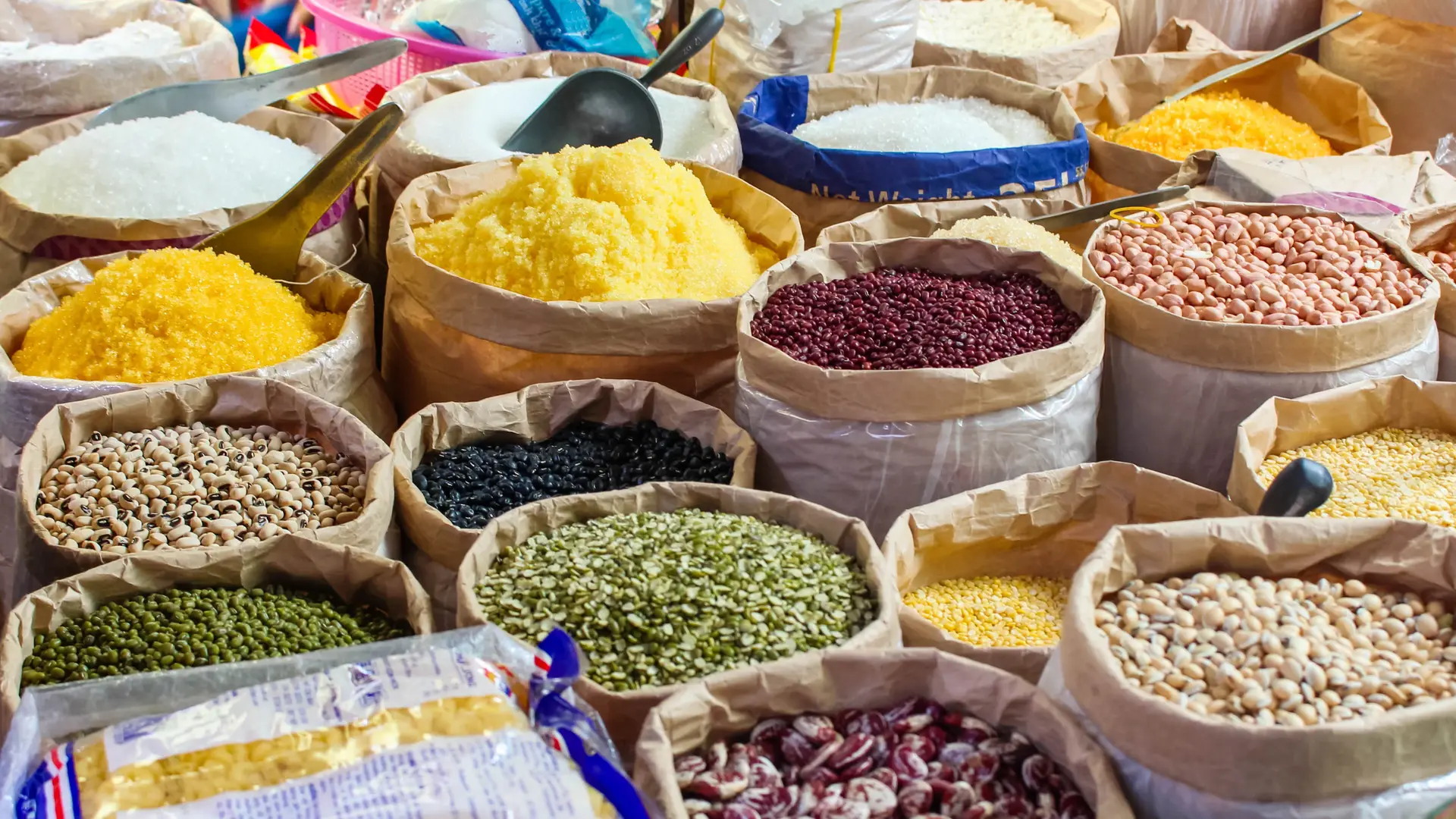
In the heart of Kenya’s agricultural landscape lies a revival movement: communities are rediscovering and re-adopting heirloom grains such as millet and sorghum—cereals that once stood at the foundation of diets, culture and food security long before the dominance of maize and wheat. This resurgence is a reconnection with heritage, resilience in the face of climate change, and a strategic step toward food security.
Over the course of this article we’ll explore:
1. A Brief History of Heirloom Grains in Kenya
Millet and sorghum have deep roots in Kenya’s agricultural history. These grains were central staples for many communities—especially in arid and semi-arid lands—because of their hardiness, adaptability and cultural significance. These crops were used not just for daily meals but also for ritual, seed-saving practices, communal harvesting and local food sovereignty.
However, with the rise of the Green Revolution and increasing dominance of maize and wheat, heirloom grains were gradually sidelined. The result: dietary diversity narrowed, traditional seed systems eroded, and resilience in marginal environments weakened.
2. Why Are Millet & Sorghum Back on the Agenda?
3. Where and How Are Communities Reviving Heirloom Grains?
a) Siaya County
Farmers are returning to millet and sorghum, supported by market linkages. Kenya Breweries Limited buys grain for brewing and supports farmers with inputs and training.
b) ASAL Regions & Value-Chain Strengthening
Projects such as IFAD’s SOMNI programme focus on storage, utilization, seed systems, processing and market connections.
c) Seed Banks & Heritage Seeds
Community-based seed banks are being revived, helping conserve indigenous agro-biodiversity and heirloom varieties of millet and sorghum.
4. What Does This Mean for Food Security & Heritage?
5. Challenges to Scaling Up
6. Moving Forward: Strategies for a Sustainable Revival
7. A Vision for Kenya’s Future Food System
The revival of heirloom grains such as millet and sorghum intersects food heritage, climate resilience, nutrition, rural livelihoods and identity. As farmers rediscover these crops, communities reclaim seeds and knowledge that sustained them for generations.
But this revival must be nurtured through markets, processing, consumer awareness, policy and investment. If successful, Kenya will gain resilient agriculture, better nutrition, stronger rural economies and a renewed connection to heritage food.
When you sit down to a millet or sorghum dish, you’re tasting a story of heritage, survival and creativity—one that may shape Kenya’s food future.