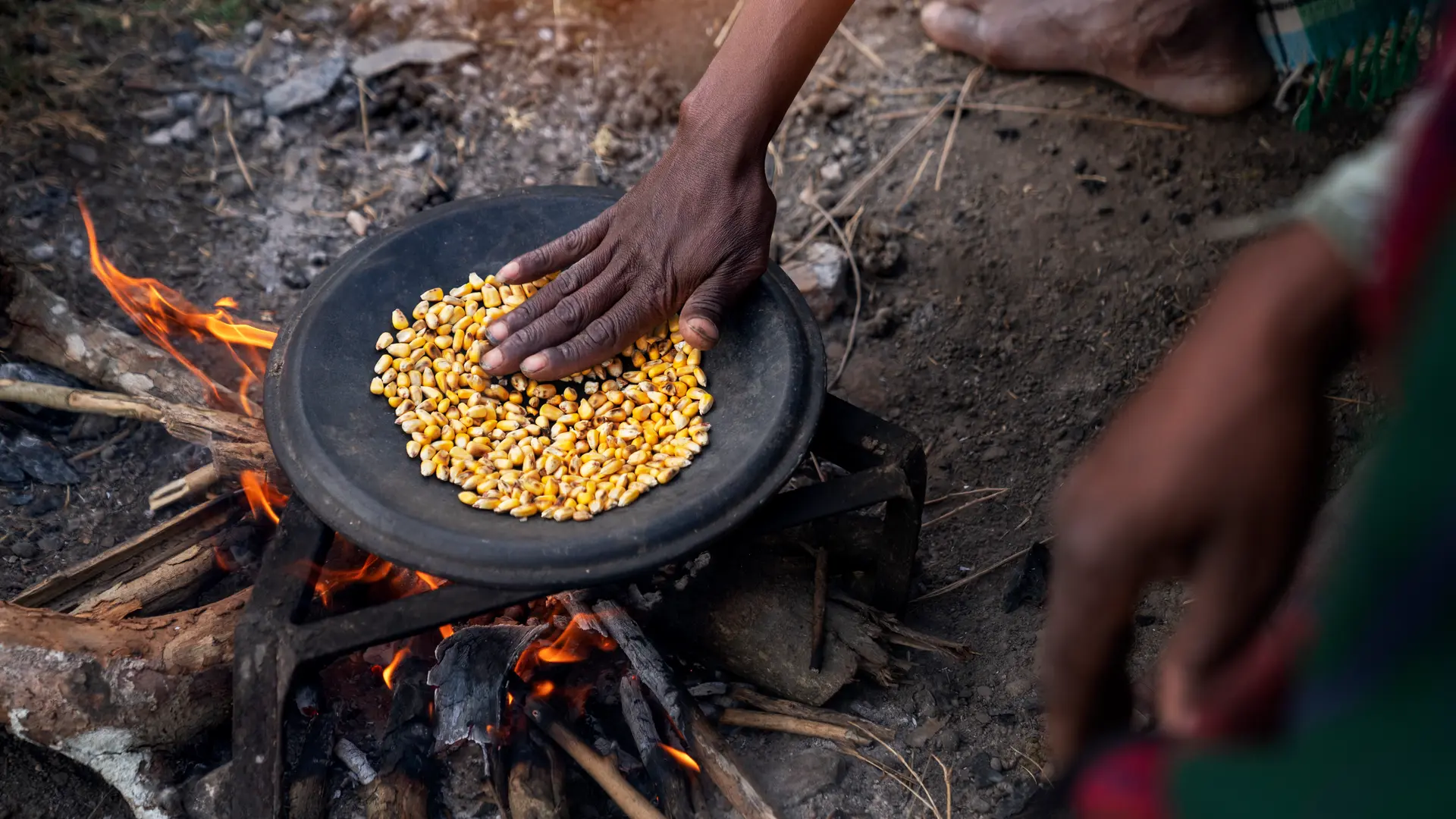
Lost Grains & Forgotten Staples of Kenya — Rediscovering Indigenous Cereals & Their Revival
In many parts of Kenya today, when you think of a staple food, maize often comes to mind: maize meal, ugali, maize flour. Also wheat, rice, perhaps bread. These have become central in many homes. But there were grains native to Kenya — millets, sorghum, finger millet — that used to fill plates, porridge bowls, even ceremonies. Over time, some of these forgotten staples lost ground. Yet now, with climate change, hunger, health worries, there is growing interest in bringing them back.
This post explores what those lost grains are, why they became forgotten, what benefits they offer, what people are doing to revive them, and how Kenya might benefit if more people eat them again.
What Are Indigenous Cereals & Forgotten Staples
“Indigenous cereals” are native or traditional grains that have long been part of Kenya’s food landscape. These include:
- Finger millet (also called wimbi in some places)
- Pearl millet (mawele)
- Sorghum (sometimes called great millet)
- Other local millets and perhaps older, less‑common ones once more widespread
These staples were widely grown in parts of Kenya before modern farming pushed maize, wheat, rice, and hybrid seeds to the forefront. They were used for porridges (uji), for flour, flatbreads, sometimes fermented foods. They also were part of cultural celebrations, local diets, festivals, and local farming systems (intercropping, drought‑resistant planting, etc.).
Why They Became Forgotten
Several reasons caused the decline of indigenous cereals in Kenya:
- Government policies and research focus
Many decades ago, maize got strong push from government programs, research institutions, and aid agencies. Seeds, subsidies, extension services focused on maize. Indigenous cereals got less support in seed variety improvement, market building. This made maize seem more reliable, more profitable, easier to get inputs. When farmers have little extension or support for millets or sorghum, they stop growing them.
- Consumer preference changing
As people urbanised, tastes shifted. Flour from wheat or maize became more common. Foods that use maize or wheat became easier to cook, marketed widely. Forgotten grains sometimes got labelled “food of the poor” or “old‑fashioned” or “for hardship times”. That stigma led many to shift away.
- Challenges of yield, input, seed availability
Maize hybrids often gave high yields (when rains are good), inputs (fertilisers, tools) were easier to find. Indigenous grains sometimes have lower yields under certain conditions, or seeds were not improved, seed systems broke, pests/diseases issues. Farmers want reliability, so many abandoned them.
- Market pull and profitability
When markets (urban, export) prefer maize, wheat, rice, farmers follow the money. Transport, processing, milling, packaging of indigenous cereals was weaker. Often no good value chain or market for these grains, so less incentive to grow them beyond subsistence.
- Climate & environmental shocks
Episodic droughts or irregular rains sometimes hit indigenous grains too (though many are more resilient). When those shocks were severe and farmers had no resilience cushion, they switched to what seemed more reliable or had easier credit / subsidy support.
All these combined left many indigenous cereals being grown only by a few, in marginalized areas, or almost disappearing in some regions.
Why They Are Worth Reviving
Despite being sidelined, indigenous grains have powerful benefits. Here are some:
- Climate resilience
Many indigenous cereals tolerate drought, poor soils, heat stress better than maize or others. For example, pearl millet and finger millet can grow where rainfall is low and soil is less fertile. When maize fails, these crops can still produce. This is especially important with climate change making weather unpredictable. *(Data: Many articles note farmers returning to millets & sorghum for resilience)
- Nutrition
These grains are often richer or more balanced in certain nutrients: minerals (iron, calcium, magnesium), some vitamins, sometimes fiber. Finger millet for example has much higher calcium than maize. Also, indigenous grains tend to have better glycaemic profiles (slower digestion, steadier energy) which can help with blood sugar control. *(Data from nutrition studies)
- Food security / sustainability
Because they perform well under marginal conditions (poor soils, drought), farmers who include indigenous cereals in crop rotations or intercropping often have better food security: when one crop fails, another may not. They also often require fewer expensive inputs (fertilisers, pesticides) which lowers cost for smallholder farmers.
- Cultural heritage and identity
These grains are part of cultural traditions, food habits, recipes, even ceremonies. Reviving them helps preserve cultural memory, traditions, languages. It connects people to their land, their ancestors, to older wisdom about growing food that suits local environments.
- Diversification of diets
Dependence on a few staples (maize, wheat, rice) makes diets less varied. Using forgotten staples can add variety, tastes, textures. This is helpful for health (nutritional diversity) and enjoyment. Also helps reduce risk if market or price for one staple falls or becomes scarce.
- Economic opportunities
There is rising demand in urban areas for “traditional foods,” “healthy cereals,” perhaps organic or climate‑friendly produce. Processing and value addition (making flour, packaged foods, snacks) from indigenous cereals can open markets. Also policies or NGOs are starting support for these.
Recent Revival: What Is Being Done
Here are examples and stories of how indigenous cereals are being revived in Kenya.
- High‑yielding millet and sorghum in Migori County
In Migori, farmers like Maria Mbusiro are planting finger millet and sorghum using improved seed varieties. These seeds mature earlier and yield more. She used them not only for feeding her family but also for income (selling extra), paying school fees, saving. Many farmers had abandoned millet and sorghum decades ago, but now they are being encouraged to grow them again.
- Consumers’ increasing demand for traditional grains
In some counties and markets, consumers are showing appetite: people prefer millet and sorghum over maize if available, especially for porridge, baked products, or as health foods. Research stations are also breeding better varieties suited to different environments (dry, saline, etc.) so that both farmers and consumers can use them.
- Nutritional studies confirming value
Studies show that indigenous cereals have good content of B‑vitamins, folic acid, minerals. For example, a study of indigenous foods in Kenya showed grains with high folic acid, niacin, B vitamins, good protein content, fat content etc. This supports using them to improve diets and reduce malnutrition.
- Indigenous seeds revival movements
There are campaigns or community groups pushing for “rediscovering seeds.” Indigenous seed varieties are being preserved, seed stores being revived, seed sharing among farmers, elders being consulted. Some NGOs are helping to preserve old varieties, encourage intercropping, help market access. (For example mention of “Reviving What Matters: The Return of Indigenous Seeds” campaign)
- Policy changes & school meals
Some schools and government nutrition programs are including indigenous cereals in meal plans or recommending them. Because they help with dietary diversity and nutrition, there is interest in including millet, sorghum in school meals to improve health.
Barriers & Challenges to Revival
Reviving old grains is not simple. There are real obstacles. Here are some of them:
- Seed systems and improved varieties
Many indigenous cereals’ seeds are either lost, or have poor seed quality. Farmers may have old seed stocks with low germination. There is need for improved varieties (drought tolerant, disease resistant), but also preserving landrace varieties. Seed supply, distribution, quality control are weak in many remote or dry areas.
- Market & value chain issues
Even when farmers grow millet or sorghum, often there is no local mill, no processing facility, no good packaging, no market link. If people cannot sell at a fair price, they may abandon them. Also urban consumers may not know how to cook them, or find them in stores.
- Stigma & consumer preference
Indigenous cereals sometimes carry stigma: perceived as “poor people’s food,” or “hard to cook,” or “taste not modern.” Urbanization, globalization, media often promote wheat, rice, maize. Changing preferences takes time.
- Agricultural inputs & cost
While many indigenous cereals need fewer inputs, they still may need good soil, pest control, water. Farmers may lack extension services, access to fertilizers, or knowledge of best practices for these crops (crop rotation, intercropping, soil management etc.).
- Policy and institutional support
Many government programs still focus on maize, wheat, rice. Subsidies, research funds, agricultural extension services, market infrastructure, credit often favor “modern” staples. To revive indigenous ones, policies need to shift — more support, incentives, research, market promotion.
- Climate change unpredictability
Even though indigenous cereals are more resilient, climate extremes still affect them (floods, pests, extreme drought). Farmers need adaptive techniques, good forecasting, irrigation sometimes.
What Success Looks Like & How Kenya Can Support Revival
For indigenous cereals to make a strong comeback, certain things need to happen. Here are what success might look like, and how Kenya (farmers, government, NGOs, consumers) can support that.
- Improved Seeds & Varieties
Breeding programs that focus on indigenous grains: selecting ones with high yield, disease resistance, early maturity, taste appeal. Also preserving traditional varieties (landraces) for flavour, resilience. Ensuring seeds are available to smallholder farmers. For example, seed multiplication programs, community seed banks.
- Training & Knowledge Sharing
Teach farmers old and new methods: intercropping, crop rotation, soil conservation, pest management, post‑harvest handling. Also teaching consumers cooking methods: how to use millet, sorghum, to make porridge, flatbreads, baked goods, snacks. Elders, women, cultural groups can share recipes.
- Improve Processing & Value Addition
Building small mills or flour processing units in rural areas. Packaging traditional grains attractively for urban markets. Creating snacks, baked goods, fortified flours. Ensuring processing retains nutrition (not too refined).
- Marketing & Consumer Awareness
Public campaigns to show nutrition benefits. Cooking shows, media, social media promotion. Encouraging chefs and restaurants to use indigenous grains. Showing that traditional cereals can be tasty, modern, healthy. Remove stigma.
- Policy & Financial Support
Government to include indigenous cereals in agricultural subsidy programs, extension services, research funding. Provide incentives for farmers to grow them. Maybe tax breaks or small grants. Include these grains in national nutrition and food security programs.
- Better Market Access
Building supply chains: connecting smallholder producers to markets (local, urban, export). Cooperatives or farmer groups can help aggregate produce, ensure quality, negotiate better prices. Establish marketplaces for indigenous grains.
- Resilience & Climate Smart Farming
Use practices like drought tolerant varieties, conserving soil moisture, agroforestry, mixed cropping, water harvesting. These help indigenous grains perform better in challenging conditions.
- Inclusion in School Meals & Feed Programs
Including millet or sorghum in school porridge, feeding programs, public institutions helps create stable demand. Helps children get healthier food. Also builds habits among young people.
A Day in the Life: How Revival Helps a Farmer & a Family
To make it human, imagine this:
Meet Achieng, a smallholder farmer in Elgeyo‑Marakwet. She used to grow mostly maize, but several years of unpredictable rains led to crop failure. The cost of maize seed, fertilizer and transport got high, and yield low some years. Her food was insecure in dry seasons.
A project starts in her area to revive finger millet and sorghum. She is given improved seeds, shown how to plant in mixed cropping with legumes, how to store better to avoid pests. She learns to mill small amounts at home and sell extra to nearby town markets.
After harvest, she uses some millet for uji (porridge) for her children, some to make flour for baking, some to sell. She earns a bit more than before, spends less on purchasing maize. Her children get a more varied diet, less sickness. Also, she feels proud connecting with her grandmother’s farming wisdom — “I remember my mum saying wimbi was good for strength, for our bones” — and now her children know that again.
Over time she shares seeds with neighbours. Local grocery shops begin stocking millet or sorghum flour because people ask. Local school agrees to include millet uji for morning porridge on some days.
This kind of revival creates benefits: for her, for family health, for economy, for community resilience.
What Kenya Stands to Gain If Revival Succeeds
If Kenya revives these indigenous staples widely, some big gains are possible:
- Reduced hunger and better nutrition, especially in vulnerable rural areas.
- More food security: less dependence on imported grains or costly hybrid seeds that may fail in bad weather.
- Health improvements: fewer problems related to malnutrition (iron deficiency, calcium deficiency), better blood sugar control, more dietary diversity.
- Economic benefit for smallholder farmers: more income, more resilience, less risk.
- Environmental benefit: less pressure on water, less reliance on heavy inputs, better soil health, more biodiversity.
- Cultural revival: traditional foods, recipes, taste, heritage return; pride in local food culture.
- Market opportunities: niche markets (organic, health food, heritage food) both domestically and possibly for export.
What You Can Do (If You Are From Kenya or Interested)
Here are ways ordinary people can help, whether you are farmer, consumer, policymaker, or just interested.
- When buying food, try indigenous cereals like millet, sorghum, finger millet. Use them in porridge, flatbread, baking. Ask shops to stock them.
- Learn how to cook them well. Try old recipes, ask elders. Mix them with other grains or legumes to make delicious meals.
- Support local farmers who grow them. Buy their produce, encourage better seed supplies.
- Advocate for schools to include indigenous cereals in their meals.
- Support seed sharing, preserve landraces, participate in community seed banks.
- Encourage government or NGOs to fund research, extension services, improved varieties, processing, market systems.
- Spread awareness: talk about the benefits, share stories, social media, cooking groups, community gatherings.
Lost grains and forgotten staples are not just crops of past; they hold keys to healthier diets, stronger food security, climate resilience, and cultural roots. Kenya has many grains today that deserve to be more than memories: finger millet, pearl millet, sorghum and more. Revival won’t happen overnight, but small steps — improved seeds, better markets, changed preferences, awareness — are already making difference.
Reviving indigenous cereals is not just about food. It is about people — farmers, elders, children — and their stories, their health, their futures. It is about land, climate, and tradition. It is about rediscovering what our grandparents grew, cooked, and ate — and bringing those lost tastes, lost strengths, back into our plates.
We can eat them. We can grow them. We can remember them. Let’s bring them back. Kenya’s future may depend in part on these grains forgotten by many, but priceless to our heritage, health, and survival.