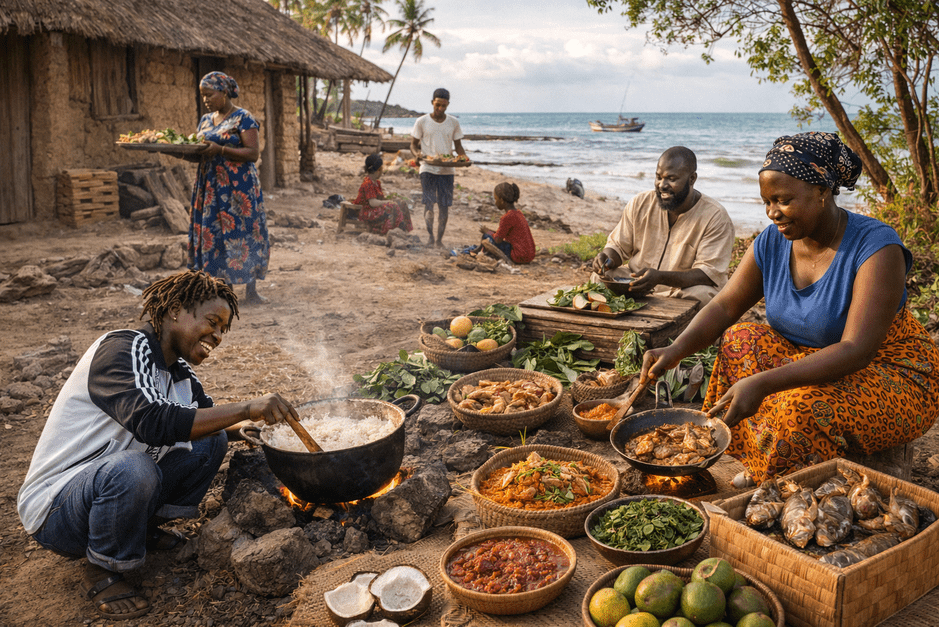
Rural & coastal home-cooking traditions: village dishes, coastal community meals, traditional cooking methods outside tourist restaurants.
Kenya’s culinary landscape is as diverse as its people. While Nairobi and Mombasa have become hubs for modern restaurants and international cuisines, the true heart of Kenyan food lies in rural homes and coastal communities, where meals are prepared with fresh, local ingredients and passed down through generations.
These traditional cooking methods and dishes offer authentic flavors, a connection to cultural heritage, and a glimpse into everyday life away from tourist hubs. For travelers and food enthusiasts, exploring these culinary traditions provides an unforgettable cultural and gastronomic experience.
This blog explores rural and coastal home-cooking traditions, the ingredients, techniques, social customs around food, and how visitors can experience authentic Kenyan meals.
Understanding Kenya’s Culinary Diversity
Kenya’s cuisine is influenced by:
1. Geography and Climate: From highlands and fertile valleys to coastal regions, ingredients vary.
2. Ethnic Communities: Over 40 ethnic groups contribute distinct flavors, spices, and cooking methods.
3. Cultural Practices: Food is intertwined with ceremonies, social gatherings, and seasonal events.
4. Access to Ingredients: Rural kitchens rely on fresh produce, grains, vegetables, and locally sourced proteins.
This diversity creates distinct regional flavors that are often overlooked in mainstream tourism.
Key Features of Rural Home-Cooking
1. Ingredients
• Staple Foods: Maize (used in ugali), millet, sorghum, cassava, and rice.
• Proteins: Goat, beef, chicken, fish (from rivers and lakes), and beans.
• Vegetables & Greens: Sukuma wiki (collard greens), spinach, pumpkin leaves, and indigenous leafy vegetables.
• Spices & Flavorings: Garlic, onions, chili, turmeric, and locally grown herbs.
2. Cooking Methods
• Open-fire Cooking: Many rural homes still use firewood or charcoal, giving a distinct smoky flavor.
• Clay Pots: Slow-cooking stews and grains in clay pots enhances flavor and retains nutrients.
• Boiling & Steaming: Common for starchy staples like ugali, potatoes, and cassava.
3. Typical Rural Meals
• Breakfast: Porridge made from maize, millet, or sorghum, often sweetened with honey or sugar.
• Lunch/Dinner: Ugali with sukuma wiki, beans stew, or roasted meat.
• Snacks: Roasted maize, groundnuts, or fried cassava.
4. Social and Cultural Aspects
• Food is shared communally, with families often sitting together on mats or low stools.
• Traditional dishes are served during ceremonies, harvests, and festivals.
• Cooking techniques are passed down through generations, mostly by women.
Coastal Home-Cooking Traditions
The Kenyan coast, including Mombasa, Malindi, and Lamu, has unique culinary traditions shaped by the Indian Ocean, Swahili culture, and historical trade routes.
1. Ingredients
• Staples: Rice, cassava, and coconuts.
• Proteins: Fish, prawns, crabs, and chicken.
• Spices & Flavorings: Cardamom, cloves, cinnamon, curry powder, and coconut milk.
• Vegetables & Fruits: Tomatoes, okra, spinach, mangoes, and bananas.
2. Cooking Techniques
• Grilling: Fish and seafood are often grilled over charcoal for smoky, aromatic flavors.
• Stewing: Meat and fish are simmered with coconut milk and spices, creating rich dishes.
• Bread Baking: Chapati and mandazi are staples for snacks and side dishes.
3. Typical Coastal Meals
• Breakfast: Mandazi (fried dough) or chapati with tea.
• Lunch/Dinner: Fish curry with rice, coconut stew, or biryani influenced by Indian traders.
• Snacks: Fresh tropical fruits, samosas, or roasted cashew nuts.
4. Cultural Significance
• Food reflects Swahili hospitality and social life, often served during weddings, religious festivals, and community gatherings.
• Meals are spiced generously, symbolizing warmth, celebration, and togetherness.
Experiencing Authentic Kenyan Cooking
For travelers interested in authentic culinary experiences, there are several ways to immerse:
1. Farm-to-Table Visits
• Visit rural farms where ingredients are grown and harvested.
• Participate in cooking sessions, learning to prepare dishes with fresh, local produce.
2. Homestays
• Stay in family homes in rural or coastal areas to experience daily cooking routines.
• Meals are prepared traditionally, served fresh, and eaten communally, offering cultural insight.
3. Culinary Tours and Workshops
• Some regions offer hands-on workshops for visitors.
• Learn recipes for ugali, sukuma wiki, fish curry, or mandazi, guided by local cooks.
4. Festival Food Experiences
• Regional festivals often include traditional food fairs, showcasing authentic local dishes and beverages.
• Visitors can taste rarely encountered dishes, directly supporting local communities.
Health and Sustainability Aspects
• Rural and coastal diets are rich in fresh produce, legumes, and grains, making them nutritious and balanced.
• Traditional cooking uses minimal processed ingredients, reducing artificial additives.
• Many communities practice sustainable farming, using local and seasonal ingredients, promoting eco-friendly culinary practices.
Challenges Facing Rural and Coastal Culinary Traditions
1. Modernization: Urbanization and fast food are influencing younger generations, risking the loss of traditional recipes.
2. Tourism Pressure: Over-commercialization may alter traditional methods or flavors to suit tourists.
3. Knowledge Transfer: Elders may be the only custodians of recipes, risking disappearance if not documented.
4. Resource Limitations: Rural areas may lack modern kitchen tools, relying solely on traditional methods.
Solution: Encourage culinary tourism, workshops, and media coverage to preserve and promote these traditions.
Tips for Travelers
1. Ask for Local Guidance: Engage with community cooks or elders to learn authentic recipes.
2. Participate Actively: Help in preparing meals, grinding spices, or serving food to enhance the experience.
3. Try Local Ingredients: Taste and explore dishes you may not find in urban restaurants.
4. Respect Traditions: Learn cultural dining etiquette, like communal eating or eating with hands where appropriate.
5. Support Locals: Purchase spices, herbs, or handmade cooking utensils to support rural economies.
Savoring Kenya’s True Flavors
Rural and coastal home-cooking traditions offer more than just food—they provide a window into culture, history, and daily life.
• From maize ugali and sukuma wiki in the highlands to coconut fish curries on the coast, every dish tells a story.
• Travelers gain a deeper understanding of Kenyan culture, while supporting sustainable livelihoods for local cooks and farmers.
• Exploring these culinary traditions is an enriching experience, connecting visitors to authentic Kenyan lifebeyond the tourist restaurants and city streets.
For anyone passionate about culture, food, and authentic travel, diving into Kenya’s rural and coastal kitchens is a journey worth taking.
Subscribe to our newsletter
Stay up-to date with the hot affairs by subscribing to our newsletter.