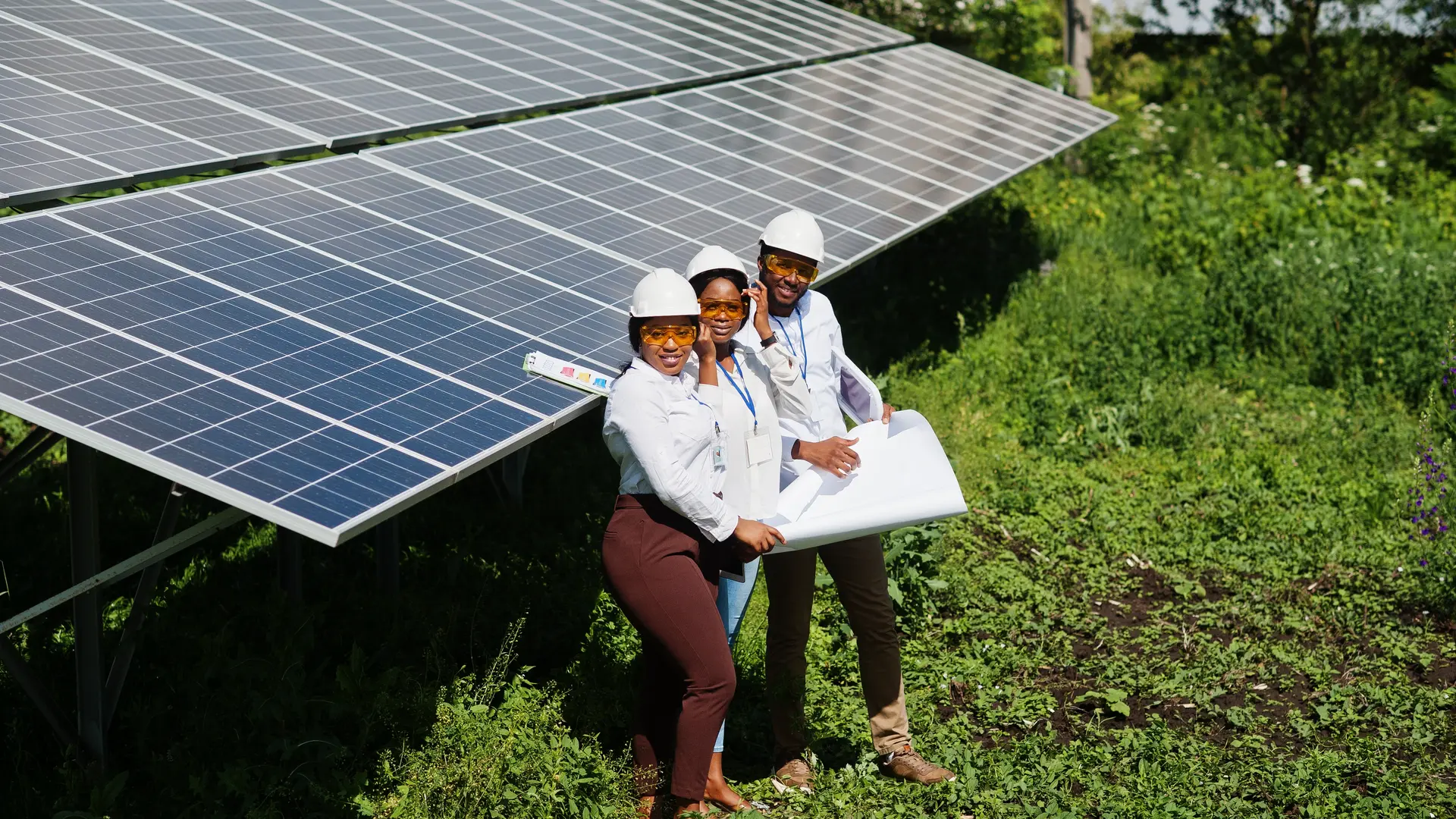
Rural Renewable Energy and Tourism Infrastructure: Investment Opportunities in Kenya
Investing in Rural Kenya: Renewable Energy and Eco-Tourism
Kenya is widely known for its safaris, beaches, and rich wildlife, but behind the scenes, the country is experiencing exciting opportunities for investment in renewable energy and rural tourism infrastructure.
With a growing global interest in eco-tourism and sustainable travel, rural areas of Kenya—often overlooked—offer investors a chance to create economic, environmental, and social impact simultaneously.
This post explores why rural Kenya is ideal for green energy and tourism investment, the potential opportunities, success stories, and how entrepreneurs can contribute to sustainable development.
1. Why Rural Kenya?
Rural Kenya makes up more than 70% of the country’s land area, with communities depending on agriculture, fishing, and small-scale trade.
Despite this, many areas lack reliable electricity, proper roads, and modern tourism infrastructure.
Why invest here?
- Untapped potential: Few tourists explore rural towns, highlands, or lakeside villages. This offers unique, offbeat experiences.
- Energy access gaps: Many rural areas lack electricity, making solar and renewable solutions highly viable.
- Growing domestic tourism: Kenyans are increasingly traveling within the country, seeking affordable, safe, and eco-friendly destinations.
- Government incentives: Kenya encourages green energy adoption, with tax breaks and subsidies for renewable energy investors.
2. The Renewable Energy Opportunity
Renewable energy is transforming rural Kenya. Solar, wind, and small-scale hydro projects are improving quality of life and business potential, particularly for tourism.
Solar Power
- Solar panels for lodges and guesthouses: Many rural accommodations operate without reliable electricity. Solar systems provide 24/7 lighting, hot water, and internet access.
- Solar-powered cookers and water heaters: Reduce dependency on firewood, cutting deforestation and costs.
- Community solar microgrids: Supply power to nearby villages and tourism hubs, boosting local economic activity.
Wind Energy
- Small wind turbines in highland and plateau regions can generate electricity for eco-lodges, farms, and small villages.
- Partnerships with local communities ensure the turbines benefit both tourism infrastructure and residents.
Mini-Hydro Projects
- Kenya’s rivers in Western and Central Highlands can power small-scale hydro plants for rural tourism.
- This ensures a sustainable, low-cost energy supply for lodges, cultural centers, and local markets.
3. Eco-Friendly Tourism Infrastructure
Tourism infrastructure in rural Kenya is often basic, but with targeted investment, the sector can thrive sustainably.
Accommodation
- Eco-lodges and homestays: Using renewable energy, rainwater harvesting, and local materials
- Glamping and tented camps: Offer unique experiences in highland areas or near lakes
- Community-managed lodges: Provide income for local people and maintain cultural authenticity
Transport and Access
- Investing in road improvement and signage enhances accessibility for domestic and international tourists
- Bicycle and walking paths for eco-friendly exploration of villages and nature trails
Food and Restaurants
- Farm-to-table restaurants using local produce reduce carbon footprint and support rural agriculture
- Community kitchens can host cooking classes or cultural dining experiences, adding tourism value
Digital Infrastructure
- Reliable internet and mobile connectivity attract digital nomads and international travelers
- Solar-powered Wi-Fi stations in rural areas can support remote working and eco-tourism marketing
4. Integration of Energy and Tourism
Linking renewable energy with tourism infrastructure multiplies impact:
- Energy-secure lodges: Tourists enjoy reliable electricity, lighting, and water while reducing fossil fuel dependence
- Community benefits: Local residents access electricity, improving education, health, and livelihoods
- Marketing advantage: Travelers increasingly seek eco-friendly and sustainable accommodations
Example: A solar-powered lodge in Laikipia County uses solar lighting, eco-toilets, and sustainable cooking, attracting environmentally-conscious tourists and generating income for the nearby Maasai community.
5. Success Stories of Investment in Rural Kenya
a) Solar Tourism Projects
- Several eco-lodges in Western Kenya now run entirely on solar energy, reducing operational costs and appealing to international tourists
- Some lodges provide excess energy to local villages, improving community relations and sustainability
b) Eco-Lodges in the Highlands
- Lodges in Nyeri and Aberdare regions showcase green building techniques, solar energy, and rainwater harvesting
- Tourists enjoy nature walks, wildlife viewing, and cultural experiences, creating a positive tourism loop
c) Community Partnerships
- In Kisumu and Homa Bay, eco-tourism initiatives partner with local farmers to supply organic food to lodges, creating farm-to-plate experiences
- Local artisans sell crafts directly to visitors, combining tourism, renewable energy, and community income
6. Benefits of Investing in Renewable Energy + Tourism
Investors can create multiple forms of value:
Economic Benefits
- New businesses create jobs in hospitality, guiding, energy installation, and maintenance
- Sustainable tourism generates steady revenue for remote communities
Environmental Benefits
- Reduces deforestation, carbon footprint, and fossil fuel reliance
- Promotes conservation of natural areas and biodiversity
Social Benefits
- Provides electricity for schools, health centers, and households
- Empowers local communities to participate in decision-making and tourism management
7. Challenges and How to Overcome Them
a) Infrastructure Gaps
- Rural roads and water supply are often poor
Solution: Partner with government or NGOs for joint development projects
b) Financing
- Initial capital for solar or eco-lodges can be high
Solution: Access green energy funds, grants, or impact investors
c) Skills Gap
- Local staff may lack training in hospitality or renewable energy
Solution: Implement training programs, apprenticeships, and knowledge transfer
d) Regulatory Requirements
- Permits for energy projects and eco-tourism can be bureaucratic
Solution: Work closely with county governments and regulatory agencies for compliance
8. Opportunities in Rural Kenya
- Solar-Powered Lodges: Build small-scale eco-lodges with solar energy in highland or lakeside areas
- Renewable Energy Microgrids: Power villages and tourism hubs, enabling electric cooking, lighting, and digital connectivity
- Eco-Tourism Packages: Combine accommodation, local food, cultural experiences, and guided tours in offbeat locations
- Digital Nomad Hubs: Rural areas with reliable internet and renewable energy can attract remote workers looking for quiet, scenic locations
- Community-Based Tourism: Involve local communities in tourism operations, from craft sales to guiding, ensuring economic inclusion
9. Why Now Is the Right Time to Invest
- Global demand for eco-tourism and renewable energy solutions is growing
- Kenya’s government supports green energy adoption and rural development
- Tourists are increasingly seeking authentic, off-the-beaten-path experiences
- Rural communities are ready to partner with investors for sustainable development
10. Practical Steps for Investors
- Research target locations: High potential areas include Laikipia, Nyeri, Kilifi, Taita Taveta, and Western Kenya
- Engage local communities: Build trust, co-develop services, and ensure benefits are shared
- Use sustainable design: Solar panels, rainwater harvesting, eco-building materials
- Train staff locally: Hospitality, tour guiding, energy management
- Market strategically: Highlight eco-friendly and community-centered tourism to attract conscious travelers
Investing in rural renewable energy and tourism infrastructure in Kenya is more than just a business opportunity.
It is a chance to transform communities, protect the environment, and offer travelers authentic experiences.
By combining green energy solutions with tourism development, investors can create sustainable ecosystems where both people and nature thrive.
From solar-powered lodges in the highlands to eco-tourism packages in lakeside villages, Kenya offers vast opportunities for economic, social, and environmental impact.
This is the perfect moment for visionary investors to help shape Kenya’s future while enjoying profitable and meaningful ventures.
Sustainable investment in rural Kenya is not just financially smart—it is ethically and socially responsible, leaving a lasting legacy for communities, travelers, and the planet.