Dry‑Season Lifelines: How Kenya’s Water Holes Become Wildlife Magnets & Local Lifelines
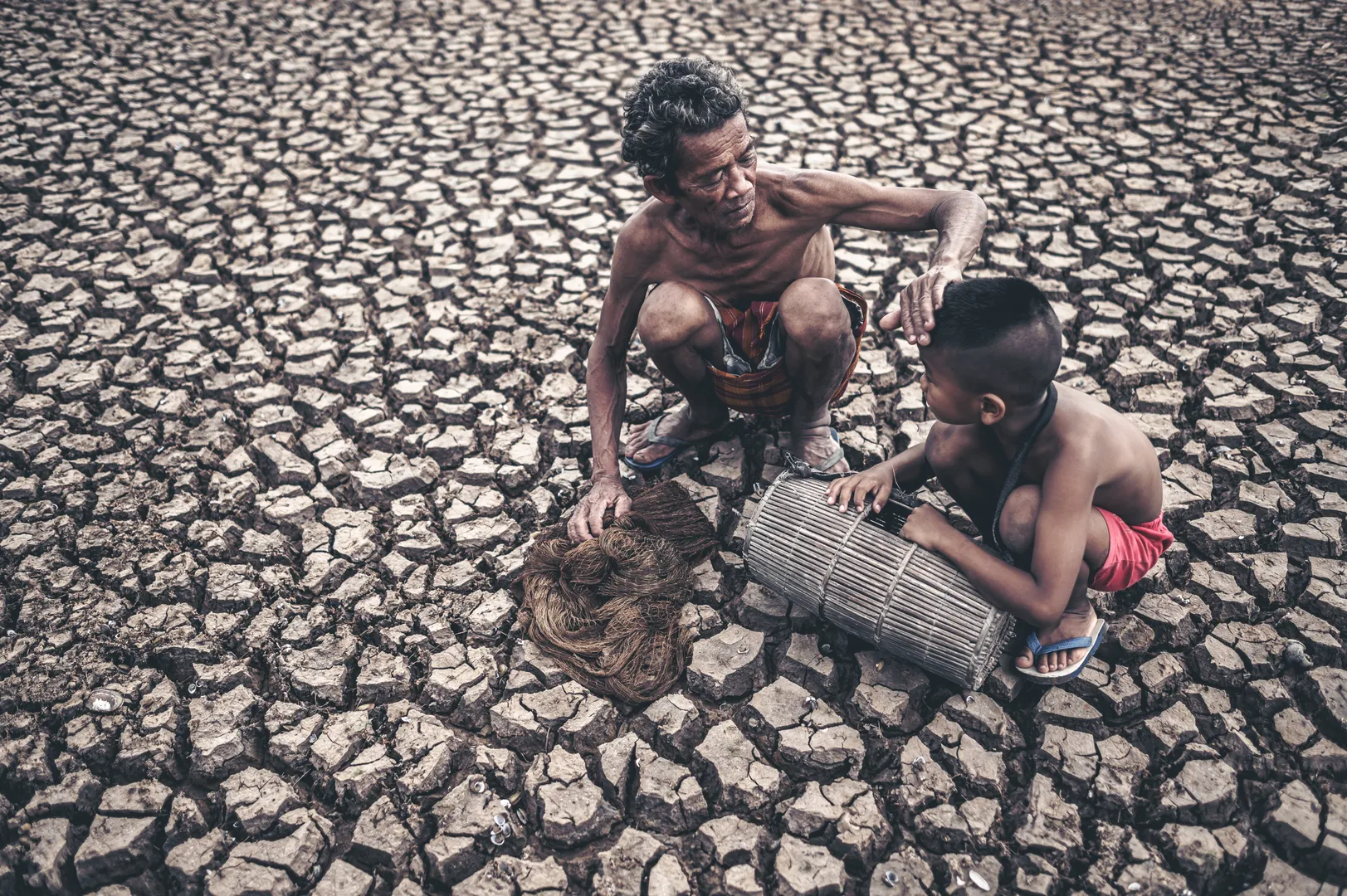
In many parts of Kenya, the dry season brings challenges: parched earth, trees shedding leaves, rivers shrinking, grass turning brown. For people, livestock, wildlife, water becomes the most urgent need. In that time, water holes—small ponds, natural springs, underground springs, restored or dug holes—turn into lifelines. They are more than just puddles. They attract animals, support ecosystems, give wildlife a chance to survive, and also help local communities. This story is about those crucial water holes, how they work, why they matter, how people protect and use them, and what risks face them.
What Are Water Holes and Why They Matter in the Dry Season
A water hole can be many things:
- A natural depression or pond that holds water after rains.
- A natural spring or underground source that continues flowing or bubbling even when surface water disappears.
- A man‑made hole dug or deepened to capture rainwater or ground water.
- A borehole or trough connected to pumps, sometimes used to supply water to wildlife or livestock during dry months.
During the dry season, many rivers or streams may dry up. But water holes often remain, or at least last longer. Animals, birds, insects, all come to drink. Plant life around them stays somehow greener. For people and livestock, they may be the only water for miles. So water holes become magnets—places of gathering, sometimes conflict, sometimes peace.
They matter for many reasons:
- Survival of wildlife: without them, animals may migrate long distances, or die of thirst.
- Ecological balance: animals around water holes affect vegetation, predators become active, birds breed near water, insects live near edges, etc.
- Cultural importance: for many local communities, water holes are known places, part of grazing routes, paths, folklore.
- Human need: people, livestock, sometimes wildlife all depend on them.
Examples from Kenya: Real‑Life Water Holes & Their Impacts
Here are some real examples that show how water holes work as dry‑season lifelines in Kenya.
Water for Wildlife by Sheldrick Wildlife Trust
- In arid and semi‑arid regions like Tsavo Conservation Area and Lamu, natural water becomes very scarce during dry periods. The Sheldrick Wildlife Trust has helped drill boreholes, set up water troughs, rehabilitate dry water points so wild animals have reliable places to drink.
- They also bring water (via trucks / “bowsers”) to areas with wildlife concentration when natural sources fail. These interventions help reduce wildlife deaths from dehydration, reduce movement of animals into risky areas in search of water.
Waterhole Restoration in Merrueshi (Maasai Area)
- In Merrueshi Group Ranch, Maasai Association has worked to restore waterholes that had silted up. These waterholes were historically sustained by elephants but over time got filled with mud or vegetation.
- Restoring them (clearing silt, restoring channels, ensuring the land around them supports rainfall catchment) helps both wildlife and pastoralists. When water holes dry, animals and livestock compete; when they are restored, both have more options closer to home, reducing conflict.
“Digging Water Holes” in Samburu / Ewaso Nyiro Area
- During drought, groups like Ewaso Lions, local elders, warriors, community programmes dig water holes in dry riverbeds. They arrive at parts where riverbeds have dried and create holes that will collect remaining ground water or rain during sporadic showers, giving animals places to drink.
- These holes are a matter of life and death: animals such as antelopes, waterbuck, birds, sometimes even elephants come. People too may share the water. The role of women and community groups is often central.
Wildlife Magnet: What Happens at Water Holes During Dry Season
- Gathering of different species: Zebras, antelopes, elephants, wildebeest, birds, predators all gather at the same spots.
- Predator‑prey interactions: Prey animals come to drink, predators may lie in wait. Survival drama unfolds: hunts, vigilance, escapes.
- Landscape of dust, mud, green edges: Muddy edges, greener patches, nesting birds, insects and amphibians benefit from water.
- Movement and migration: Animals migrate to water holes via wildlife corridors.
- Shared use: Wildlife, livestock, and people often share water; tensions may occur.
- Ecological stress and risk: Overuse, contamination, evaporation risks. Water holes are lifelines but fragile.
Local Lifeline: How Communities Also Depend on Water Holes
- Livestock watering: Pastoralist communities rely on water holes near grazing lands.
- Domestic use: Water for washing, cooking, drinking if safe.
- Income & tourism: Wildlife attracts tourists; guides and lodges benefit.
- Cultural and social gathering: Community meetings, folklore, grazing paths.
- Food security: Healthy wildlife and livestock support ecosystems and livelihoods.
Threats & Challenges Facing Water Holes
- Siltation & sediment build‑up: Reduces depth; restoration needed.
- Reduced rainfall & climate change: Less rain, hotter temperatures, faster evaporation.
- Competition with livestock & humans: Overuse and contamination risks.
- Loss of corridors & land degradation: Fences, farms, settlement block migration paths.
- Pollution & hygiene issues: Pathogens, contamination, disease risk.
- Maintenance & restoration costs: Clearing silt, infrastructure, fencing require money and labor.
- Water hole drying up permanently: Land use change or overuse can make water holes vanish.
What Is Being Done: Restoration, Conservation & Community Action
- Restoration of old waterholes: Clearing silt, unblocking channels, planting trees.
- Digging new water holes / temporary pans during droughts.
- Boreholes and troughs: Groundwater extraction for wildlife during dry months.
- Corridor protection & open access: Keep migration paths open.
- Community involvement & responsibility: Monitoring, cleaning, managing usage.
What Makes Water Holes Work Well: Keys to Healthy, Long‑Lasting Lifelines
- Good location & catchment design.
- Adequate depth / proper construction / water retention.
- Maintenance & restoration.
- Water quality & hygiene.
- Shared usage rules.
- Integration with tourism / wildlife conservation.
- Adaptation to climate change.
A Story: The Ewaso Nyiro Diggers & Community Effort
Community groups, women, elders, and youth dug shallow water holes in a dry riverbed. Wildlife and livestock benefited, fewer animals died, pastoralists traveled less, children had water for domestic use, and tourism opportunities arose.
Risks If Water Holes Decline or Disappear
- Wildlife populations decline.
- Livestock mortality rises.
- Increased human‑wildlife conflict.
- Ecosystem deterioration.
- Cultural loss.
- Reduced tourism opportunities.
What Can Be Done: Action Steps for Communities, Conservancies, Government & Readers
- Identify and map key water holes.
- Restore old water holes.
- Drill or maintain boreholes or springs.
- Plant vegetation around water holes.
- Build community rules for shared usage.
- Monitor water quality.
- Maintain infrastructure.
- Support conservation organisations.
- Promote awareness and education.
- Secure water corridors.
- Plan for climate change.
Why We Need Water Holes More Than Ever
Climate change, population growth, land use change, and increasing water demand make water holes crucial. Rainfall is less predictable, permanent rivers become seasonal, and community lands are essential for wildlife survival. Water holes support livelihoods, biodiversity, and tourism.
Dry season is harsh, but between the cracked earth and parched trees lies something precious: water holes. They draw herds of animals; give people water for livestock and homes; are meeting points of culture and nature. Protecting, restoring, and building water holes ensures survival, resilience, and hope.